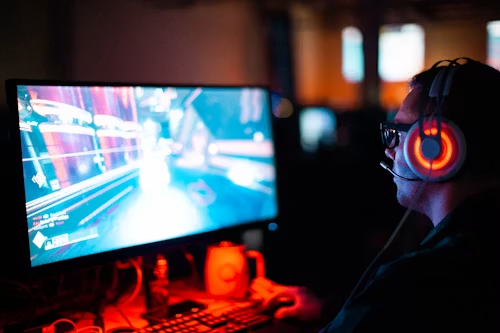
Online gaming is changing entertainment because people no longer just watch or play alone. They take part, make choices, compete, chat, create moments, and feel involved in the experience. This is why gaming now feels more active than many older forms of entertainment.
For many players, online games are not just a way to pass time. They are a space to connect, react, learn, and enjoy something with others. Whether someone plays on a phone during a break or joins a match with friends after work, the experience feels personal because the player is part of what happens next.
Entertainment Is No Longer a One-Way Experience
Traditional entertainment often works in one direction. You watch a show, listen to music, or read something. It can be enjoyable, but your role is mostly passive.
Online gaming changes that feeling. You press a button, make a move, choose a path, or respond to another player. Your action affects the result. That small sense of control makes the experience more engaging.
This is one reason gaming holds people’s attention so well. The player is not only receiving entertainment. They are helping shape it. Even a simple mobile game can feel exciting when your timing, choices, or strategy matter.
Players Want to Feel Involved
People enjoy entertainment more when they feel connected to it. Online gaming gives that feeling in a natural way. You are not only watching someone else win or lose. You are trying, improving, and reacting in real time.
This creates a stronger emotional connection. A close match can feel exciting because you were part of it. A small achievement can feel satisfying because you earned it. Even casual games can create this feeling when they reward effort, focus, or smart choices.
For today’s digital audience, this matters a lot. Many users want entertainment that responds to them. Online gaming does that by making participation part of the fun.
Community Makes the Experience Bigger
Online games also turn entertainment into participation through community. Players can join teams, chat with others, share tips, and talk about their favorite moments.
This social layer makes gaming feel bigger than the game itself. A person may start playing for fun, but they stay because of friends, groups, challenges, or shared interests. Even when people play casually, they often enjoy knowing that others are part of the same space.
This is also why gaming content spreads so easily online. Screenshots, short clips, reactions, guides, and live discussions all come from players who want to share their experience. The game becomes a topic of conversation, not just an activity.
Choice Gives Players a Personal Experience
One of the strongest parts of online gaming is choice. Players can choose their style, level, character, mode, pace, or goal. This makes the experience feel more personal.
Some people enjoy fast action. Others prefer puzzle-solving, sports-style play, strategy, or casual games. Some like competing with others, while some prefer relaxed solo play. Online gaming gives space for all these choices.
This flexibility helps players feel comfortable. They can enjoy entertainment in a way that fits their mood and time. A short session can still feel meaningful when the game gives the player something to do, decide, or improve.
Real-Time Action Keeps Players Engaged
Online gaming often works in real time. This means the experience can change quickly. A match can shift in seconds. A new player can join. A new challenge can appear. A smart move can change the result.
This real-time nature makes the player more alert. You pay attention because your response matters. This is very different from entertainment where everything is already fixed.
In some gaming-related spaces, players also compare platforms, formats, and features before deciding where they feel comfortable. For example, someone exploring online gaming and sports-based entertainment may come across names like sbobet while learning how different platforms fit different user interests.
The key point is not just where people play. It is how they take part. The more clearly a platform or game supports user choice, easy access, and smooth participation, the more natural it feels for modern players.
Mobile Gaming Has Made Participation Easier
Mobile access has made online gaming even more common. People no longer need a special setup to enjoy a game. A phone is enough for many casual players.
This has opened the door for more people to join. Students, working adults, and casual users can play when they have free time. A few minutes during travel, lunch, or evening rest can become a small entertainment break.
Gaming Blends Skill, Fun, and Learning
Another reason online gaming feels participatory is that players often learn as they go. They understand rules, improve timing, test strategies, and adjust their decisions.
This learning does not always feel serious. It happens naturally through play. A player may lose a round, try again, and slowly get better. That progress gives a sense of involvement.
Why This Shift Matters for Digital Entertainment
The growth of online gaming reflects a broader shift in entertainment. People now like experiences that are interactive, social, and flexible. They want to participate, not only consume.
This does not mean older forms of entertainment have lost value. Movies, music, and shows still matter. But gaming adds something different. It lets users become part of the action.
For modern digital audiences, that difference is powerful. It gives them control, connection, and a reason to return.
Final Thoughts
Online gaming is turning entertainment into participation by giving people an active role. Players make choices, join communities, react in real time, and shape their own experience. That is why gaming feels so natural in today’s digital world. It matches the way people use technology now: quick, personal, social, and interactive. Entertainment is no longer only about watching from the outside. More and more, it is about stepping in and becoming part of the moment.